Source Commercial Hack Squat Ab Swing Equipment for Gyms
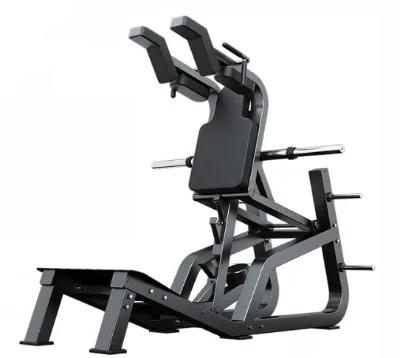
Source commercial hack squat ab swing machines for home gyms, commercial fitness centers, and community facilities. Compare 30 listings from Chinese manufacturers to find steel or aluminum options with CE and ISO certifications tailored to your space; compare the available evidence and request quotations based on your requirements.
Key considerations
Products List



Comprehensive Sourcing Guide
Commercial Hack Squat Ab Swing Sourcing Guide
Procuring commercial-grade strength training equipment requires a disciplined approach to verifying structural integrity and functional versatility. Buyers must distinguish between single-purpose machines and multi-functional units that combine lower-body isolation with core engagement. The market offers various configurations, from traditional hack squat platforms to integrated ab swing stations, each demanding specific evaluation criteria. Understanding the mechanical differences ensures that the selected equipment aligns with the intended training environment, whether it is a high-traffic commercial gym or a specialized fitness facility.
This guide focuses on the critical aspects of sourcing these machines, emphasizing material quality, certification compliance, and commercial viability. By analyzing observed listing signals and technical specifications, procurement teams can mitigate risks associated with substandard manufacturing. The following sections provide a structured framework for evaluating suppliers, verifying product attributes, and establishing long-term supply chain reliability. This methodical approach helps buyers make informed decisions that balance initial cost with long-term durability and user safety.
Product Scope and Observed Listing Signals
The observed product landscape reveals a diverse range of commercial fitness equipment, primarily constructed from steel or aluminum materials. Listings indicate a price range of $269.34 to $3,005, reflecting variations in complexity, weight, and customization options. Key attributes include manual power sources, unisex design, and suitability for home, gymnasium, and community applications. The presence of optional colors and customizable weight stacks suggests that manufacturers offer tailored solutions to meet specific facility branding or functional requirements.
Observed models such as TZ-6068, GC-5082, and TZ-8109 demonstrate varying dimensions and weights, ranging from 140kg to 235kg. These specifications highlight the importance of verifying spatial requirements and load-bearing capacities before purchase. The equipment is typically packed in plywood cases or wooden boxes with pallets, ensuring safe transit. Buyers should note that while some listings mention specific exercise parts like legs or chest, the actual functionality must be confirmed through detailed technical documentation rather than assumed from general category tags.
Technical Specifications to Verify
Verifying technical specifications is crucial for ensuring that the equipment meets the structural demands of commercial use. Buyers should confirm the steel tube grade, with Q235 being a common standard for durability, and verify tube dimensions such as 50100mm or 2280700*1550mm. These dimensions directly impact the machine's stability and footprint. Additionally, the weight stack capacity, which can range from 80kg to 140kg and be customized, must align with the target user demographic and training intensity.
It is essential to cross-reference the listed model numbers, such as TZ-5059 or TZ-GC5082, with the manufacturer’s official technical sheets. Discrepancies between observed standard dimensions and actual product specifications can lead to installation issues. Buyers should also verify the port of loading, often Tianjin or Qingdao, and the delivery time, which is typically within 25 days after receiving the deposit. These logistical details are critical for planning facility setup and ensuring timely equipment availability.
Compliance and Safety Documentation
Compliance with international safety and quality standards is non-negotiable for commercial fitness equipment. Buyers must request valid certification documents, specifically CE and ISO9001, which indicate adherence to rigorous manufacturing and quality management protocols. Some listings also mention RoHS compliance, which is relevant for environmental safety regarding hazardous substances. Verifying these certifications ensures that the equipment meets legal requirements for sale and operation in various global markets.
Beyond certifications, buyers should inquire about specific safety testing procedures, such as those outlined in EN957 for fitness equipment. Although not explicitly confirmed in all listings, this standard is critical for validating the structural integrity and user safety of machines like hack squats and ab swings. Procurement teams should ensure that the supplier provides test reports or third-party verification to confirm that the equipment can withstand continuous commercial use without compromising user safety.
Cost Drivers and Commercial Terms
Several factors influence the final cost of commercial fitness equipment, including material choice, customization options, and order volume. The observed MOQ of 1 to 5 pieces suggests flexibility for smaller buyers, but bulk orders may offer better pricing. Customization features, such as specific color schemes or adjustable weight stacks, can increase the unit price. Buyers should also consider the total landed cost, including shipping, insurance, and import duties, which vary based on the port of loading and destination.
Commercial terms, such as payment conditions and delivery timelines, are critical for cash flow management. The typical lead time of 25 days after receiving the deposit requires careful planning to align with facility opening schedules. Buyers should negotiate clear terms regarding warranty coverage, spare parts availability, and after-sales support. Understanding these commercial dynamics helps in budgeting accurately and avoiding unexpected expenses that can impact the overall project ROI.
Supplier Qualification and Quality Control
Selecting a reliable supplier involves thorough due diligence on their manufacturing capabilities and quality control processes. Buyers should verify the supplier’s origin, with many manufacturers located in Shandong, China, a hub for fitness equipment production. Assessing the supplier’s production capacity, factory audits, and past performance with international clients is essential. A reputable supplier will provide transparent information about their manufacturing standards and quality assurance protocols.
Quality control should extend beyond the final product inspection to include raw material verification and in-process checks. Buyers should request evidence of material grades, such as Q235 steel, and confirm that the manufacturing process adheres to ISO9001 standards. Additionally, evaluating the supplier’s packaging methods, such as plywood cases or wooden boxes with pallets, ensures that the equipment arrives in pristine condition. Establishing a strong relationship with a qualified supplier minimizes risks and ensures consistent product quality.
Long-Term Procurement Checks
Long-term procurement success depends on establishing robust supply chain relationships and continuous performance monitoring. Buyers should implement regular quality audits and feedback loops to ensure that the equipment meets ongoing operational needs. Tracking performance metrics, such as maintenance frequency and user satisfaction, can provide valuable insights into the equipment’s durability and functionality. This data-driven approach helps in making informed decisions about future purchases and replacements.
Additionally, buyers should stay updated on industry trends and technological advancements in fitness equipment. Engaging with suppliers for product updates and new model releases can enhance the facility’s offerings. Maintaining open communication channels and negotiating favorable long-term contracts can secure better pricing and priority service. By focusing on these long-term checks, buyers can ensure that their investment in commercial fitness equipment delivers sustained value and supports their facility’s growth.
FAQs
What certifications do commercial hack squat ab swing units carry?
These units typically carry CE and ISO9001 certifications, ensuring compliance with international safety and quality standards. Some models also include RoHS certification for environmental safety. Buyers should verify specific certificate details with the manufacturer to confirm that the equipment meets the regulatory requirements of their target market before placing orders.
Can commercial hack squat ab swing equipment be customized?
Yes, customization is available for many commercial-grade units. Buyers can often select specific colors, seat options, and weight stack capacities ranging from 80kg to 140kg. The steel tube specifications, such as Q235 grade and 50*100mm dimensions, may also be adjusted to meet specific gym layout or durability requirements during production.
What is the typical lead time for commercial hack squat ab swing orders?
The standard delivery time is within 25 days after receiving the deposit. This timeframe applies to most commercial gym equipment orders. Buyers should account for shipping duration from ports like Tianjin or Qingdao when planning their gym opening schedules. Early communication with suppliers helps ensure timely production and dispatch for large volume purchases.
Which materials are used in commercial hack squat ab swing frames?
Frames are primarily constructed from high-grade steel, specifically Q235 steel tubes, to ensure durability and stability during heavy use. Some components may utilize aluminum for lighter parts. The commercial grade material ensures the equipment can withstand frequent use in busy gymnasium environments while maintaining structural integrity and safety for adult users.
How much does a commercial hack squat ab swing weigh?
Weights vary by model, typically ranging from 140kg to 235kg. Heavier units often feature larger weight stacks and more robust steel constructions for commercial stability. Buyers should check specific model specifications, such as the TZ-6068 or GC-5082, to determine the exact weight. This information is crucial for calculating shipping costs and floor load requirements.
What packaging is used for commercial hack squat ab swing shipments?
Equipment is usually packed in plywood cases or wooden boxes with pallets to protect against damage during transit. This robust packaging ensures the steel frames and mechanical parts arrive safely. Buyers should confirm the specific packing method with the supplier, as options may include plywood packing or standard wooden crates depending on the order volume and destination.